How to Get a Dental Appliance for Sleep Apnea
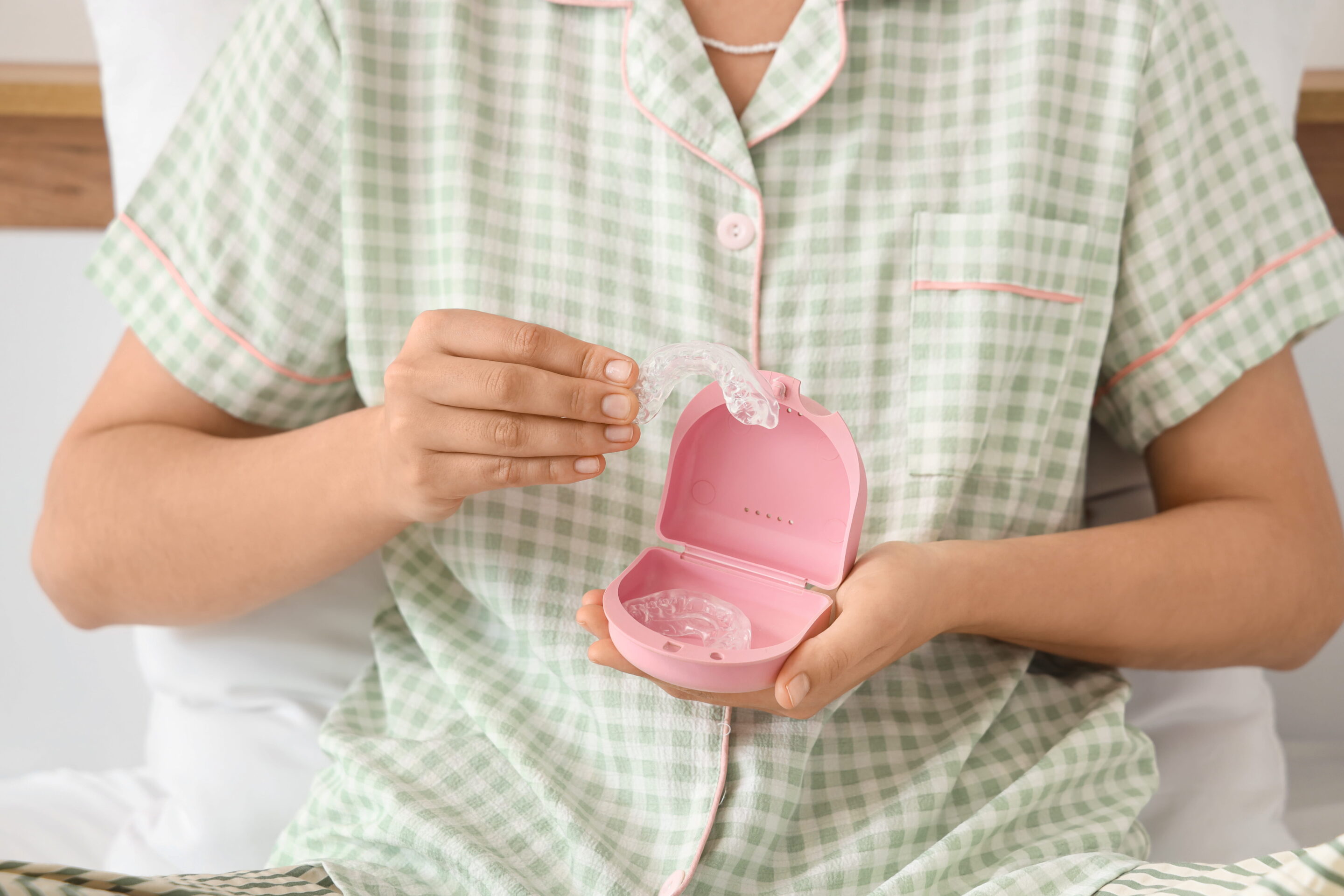
If loud snoring, restless nights, or a CPAP machine you cannot stand have you looking for another option, the path to a custom oral appliance is shorter than many people expect. At Twin Oaks Dentistry, patients in Winston-Salem, NC get a dental appliance for sleep apnea in four basic stages: a diagnosis from a physician through a sleep study, a written prescription, a consultation and digital impressions with our dentists, and a fitting followed by adjustment visits. We handle the dental side of that process from start to finish and coordinate with your physician along the way.
Many adults assume a mouthpiece for sleep apnea is something they can pick up at a pharmacy. The devices that treat obstructive sleep apnea are different. They are custom made, adjustable, and prescribed as part of a medical treatment plan, which is why each of the steps below matters.
This Article Will Address
- The step-by-step path to a custom sleep appliance
- Whether you need a sleep study and a prescription first
- Who is a good candidate for oral appliance therapy
- What kind of dentist provides these devices
- How long the process usually takes
- What happens after your appliance is fitted
How Do I Get an Oral Appliance for Sleep Apnea?
You get an oral appliance by first confirming obstructive sleep apnea with a physician, then bringing that diagnosis and a prescription to a dentist who provides oral appliance therapy. From there, the dentist evaluates your mouth, takes records, orders a custom device, and fits it. The typical sequence looks like this:
- Talk with your primary care physician or a sleep specialist about your symptoms
- Complete an in-lab or home sleep test
- Receive your diagnosis and a prescription for an oral appliance
- Schedule a consultation with our team to confirm you are a candidate
- Have digital impressions taken so your appliance can be fabricated
- Return for your fitting, then attend follow-up visits for adjustments
The American Academy of Dental Sleep Medicine describes the same pattern: a doctor diagnoses the condition, the doctor writes the prescription, and a qualified dentist fits and manages the device. Our role begins once the medical piece is in place, and we stay in contact with your physician from there.
Do I Need a Sleep Study Before Getting One?
Yes. A sleep study is required before we can make a sleep apnea appliance. Snoring and daytime fatigue can point to sleep apnea, but only a sleep test can confirm it and show how severe it is. That severity rating shapes which treatment makes the most sense for you.
According to the National Heart, Lung, and Blood Institute, sleep apnea is diagnosed with a sleep study that may take place at a sleep center or at home with a portable monitor. Home testing has made this step far more convenient for many adults. If you have not been tested yet, we can talk through your symptoms during a dental exam and encourage you to follow up with your physician.
Do I Need a Prescription for an Oral Appliance?
Yes. A custom oral appliance for obstructive sleep apnea is a prescribed medical device, so we need a prescription from your physician before we can fabricate it. The prescription connects your diagnosis to your dental treatment, and it is also required when medical insurance or Medicare is part of the picture.
This requirement is a big part of what separates a custom device from an over-the-counter snore guard. A prescribed appliance is built around your bite, can be adjusted in small increments, and is monitored over time. A boil-and-bite product offers none of that, and it is not designed to treat a diagnosed breathing disorder.
Who Qualifies for Oral Appliance Therapy?
Adults diagnosed with mild to moderate obstructive sleep apnea are the most common candidates, along with people who have more severe sleep apnea but cannot tolerate CPAP. Sleep medicine guidelines support oral appliances for adults who struggle with CPAP or prefer an alternative, and they are used most often in mild to moderate cases.
Candidacy also depends on your mouth. During your consultation, we look at:
- The number and health of your teeth, since the appliance needs stable teeth to grip
- The condition of your gums
- How your jaw moves and whether you have existing jaw joint discomfort
- Your bite and any dental work you have planned
Patients with very few natural teeth, active gum disease, or significant jaw joint problems may need other treatment first, or a different approach altogether. We will tell you plainly if an appliance is not the right fit.
What Type of Dentist Provides Sleep Apnea Appliances?
Sleep apnea appliances are provided by general dentists and other dentists with training in dental sleep medicine. No separate dental specialty is required. What matters is that the dentist understands airway treatment, works closely with your physician, and follows up on how the device is performing.
At our practice, Dr. Edward Baust and Dr. Chase Joyce provide oral appliance therapy as one of our dental services. We use TAP and EMA appliances, two established custom designs that hold the lower jaw forward to keep the airway open. We are also a Medicare-approved provider for sleep apnea appliances, which is not something every dental office can offer.
How Long Does the Process Take?
Once your diagnosis and prescription are in hand, most patients go from their dental consultation to wearing a finished appliance within a few weeks, depending on lab time and scheduling. The medical steps that come first, including the physician visit and sleep test, vary more because they depend on how quickly those appointments can be arranged.
After your fitting, expect a short adjustment period. Many patients adapt within the first few weeks, and the appliance is advanced gradually over follow-up visits until it reaches the position that best controls your symptoms.
Where Can I Get a Sleep Apnea Mouthpiece in Winston-Salem, NC?
You can get a custom sleep apnea mouthpiece at Twin Oaks Dentistry. Our sleep apnea appliance service is designed for adults who want a comfortable, portable alternative to CPAP or who prefer to begin treatment with an oral device.
Patients often tell us the experience feels different from what they expect at a dental office. Our contemporary space has a relaxed atmosphere, a complimentary coffee and drink bar, and televisions in every treatment room. More importantly, our team takes time to listen, explains every step, and helps with medical insurance billing for qualifying treatment.
What Happens After Your Appliance Is Fitted?
After your fitting, you will return for adjustment visits and, in many cases, a follow-up sleep test to confirm the appliance is working. This stage is easy to overlook, but it is what separates effective treatment from simply wearing a device.
- Adjustment visits fine-tune how far the appliance advances your jaw
- Your physician may order a follow-up sleep test to confirm results
- We check your bite and jaw comfort at regular visits
- Your appliance is inspected for wear and cleaned professionally
The American Academy of Sleep Medicine notes that dentists and sleep physicians work together during this phase so the appliance can be adjusted correctly. We keep your physician informed so your care stays coordinated and your results stay on track.
Schedule Your Sleep Apnea Appliance Consultation at Twin Oaks Dentistry
Twin Oaks Dentistry is welcoming new patients who want to explore oral appliance therapy, whether you already have a diagnosis or are still looking for answers. Call our office or reach out to our team to schedule a consultation in Winston-Salem, NC, and bring your sleep study results and prescription if you have them.
Sources
- American Academy of Dental Sleep Medicine: Oral Appliance Therapy
- National Heart, Lung, and Blood Institute: Sleep Apnea Diagnosis
- American Academy of Sleep Medicine, Sleep Education: Oral Appliance Therapy
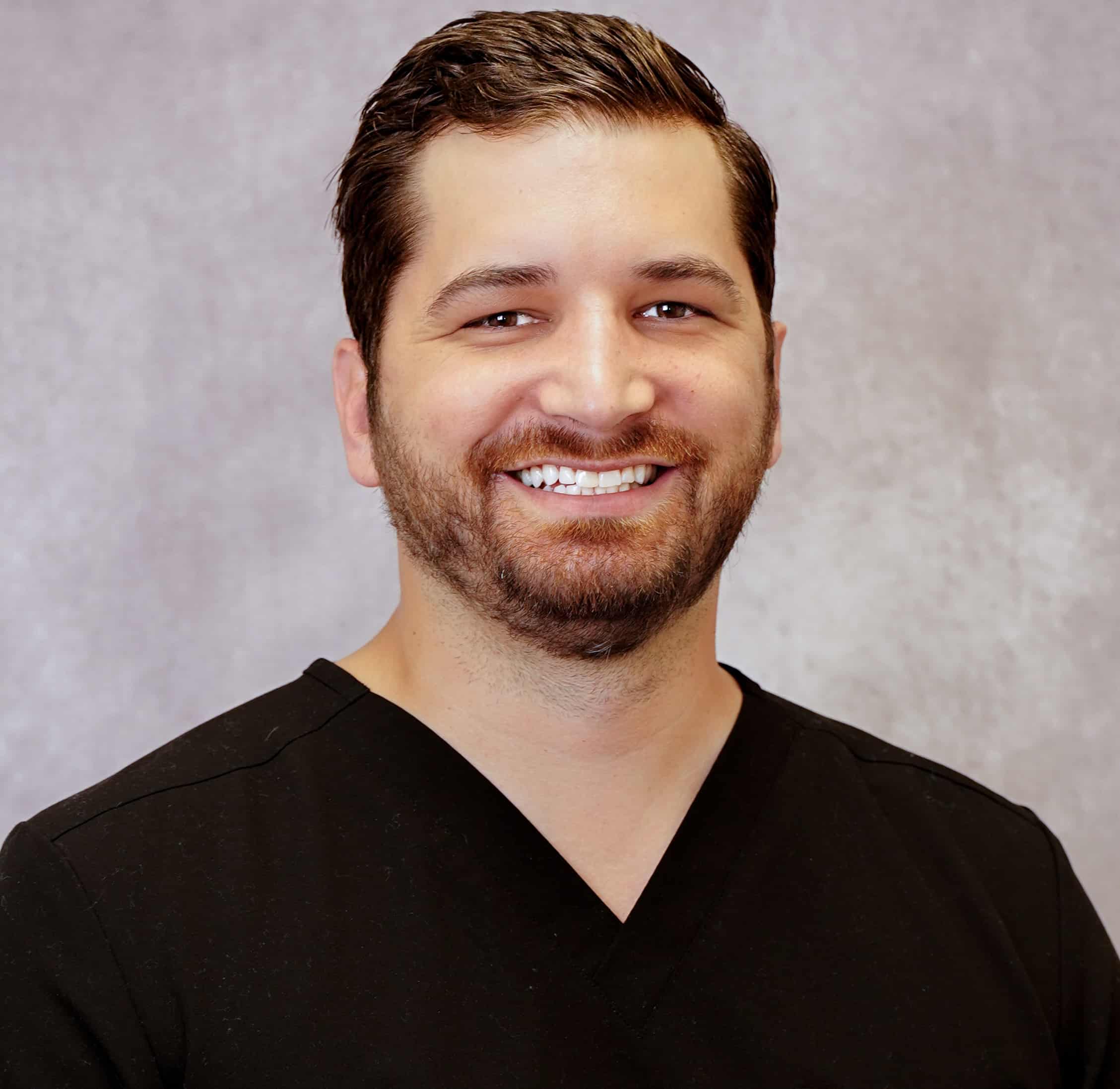
Chase Joyce, DMD
Dr. Chase Joyce, a Winston-Salem native, is passionate about providing the best care to his patients. After earning his Doctor of Dental Medicine from LECOM School of Dental Medicine in 2017, Dr. Joyce returned home and now lives in Kernersville with his wife, Laura, and their young child. Outside of the office, he enjoys camping, fishing, hiking, and spending time with his family. Dr. Joyce understands that many patients feel uneasy about dental visits, and he works hard to create a comfortable, relaxed environment. Always committed to learning, he stays up to date with the latest in dentistry to offer the best care possible.
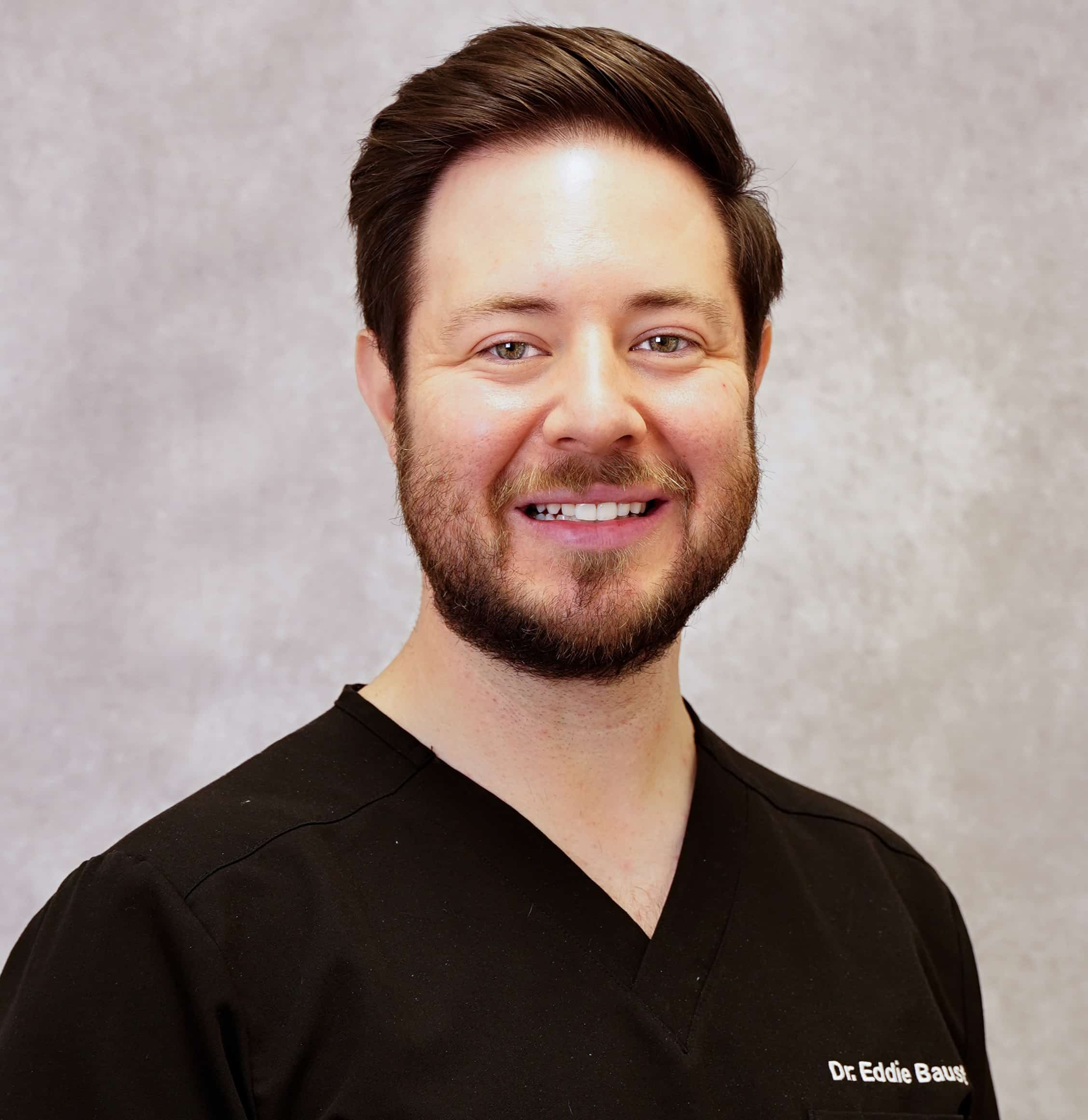
Edward Baust, DMD
Dr. Edward Baust, originally from Georgia, graduated from LECOM School of Dental Medicine in 2017. After completing an implant training course with Dr. Joyce, he and his wife, Dr. Krysten Sherrod, moved to Winston-Salem to open Twin Oaks Dentistry. Dr. Baust is dedicated to making every patient feel welcome and ensuring they have a positive dental experience. Outside of the office, he enjoys traveling, exploring nature, flying, and cheering for the Georgia Bulldogs. A music lover and avid golfer, Dr. Baust is always eager to make meaningful connections with his patients.