How Are Bone Grafting and Dental Implants Related?
Dental implants are one of the most reliable solutions for replacing missing teeth, but their success depends heavily on the health of the jawbone. For an implant to function properly, it must be anchored securely within strong, stable bone. When bone loss has occurred, bone grafting and dental implants become closely connected.
At Twin Oaks Dentistry in Winston-Salem, NC, we often explain bone grafting as a supportive step that helps prepare the jaw for dental implant placement. Bone grafting rebuilds or preserves bone that has been lost over time, creating a foundation capable of supporting an implant long term. While not every patient needs bone grafting, a thorough evaluation allows us to determine whether it will improve implant stability, comfort, and longevity.
Understanding how bone grafting and dental implants work together helps patients feel more confident about their treatment decisions and long-term oral health.
This Article Will Address
- How bone grafting and dental implants are related
- What bone grafting is and why it may be needed for dental implants
- Why bone grafting is sometimes required before implant placement
- How dentists determine whether bone grafting is necessary
- Common causes of bone loss that affect dental implants
- How long bone grafting takes to heal before implants
- Whether bone grafting is always required for dental implants
What Is Bone Grafting in Dentistry and Why Is It Needed for Dental Implants?
Bone grafting in dentistry is a procedure used to restore or preserve jawbone that has weakened or diminished over time. When a tooth is lost, the surrounding bone no longer receives stimulation from chewing forces. As a result, the bone may gradually shrink or lose density.
Bone grafting places specialized grafting material in areas where bone volume has been reduced. This material supports the body’s natural ability to regenerate bone, helping restore the structure needed to support a dental implant.
Dental implants rely on direct integration with the jawbone to remain stable. Without sufficient bone, implants may lack proper support. Bone grafting helps ensure that the implant can fuse with healthy bone, support normal biting forces, and maintain long-term function and comfort.
Why Is Bone Grafting Sometimes Required Before Dental Implant Placement?
Bone grafting is sometimes required before dental implant placement because implants cannot be placed safely in areas where bone volume or density is insufficient. Attempting to place an implant without adequate bone can compromise stability and increase the risk of complications.
Several common situations may lead to the need for bone grafting, including:
- Bone loss following tooth extraction
- Teeth that have been missing for an extended period
- Periodontal disease that damages the supporting bone structure
Bone grafting addresses these issues proactively. By restoring the bone before implant placement, we can create a more predictable treatment outcome and help protect the long-term success of the implant.
How Do Dentists Determine If Bone Grafting Is Needed for Dental Implants?
At Twin Oaks Dentistry, determining whether bone grafting is needed begins with a comprehensive evaluation and an open conversation with the patient. Listening to concerns and understanding treatment goals is an important part of the planning process.
Our evaluation typically includes:
- A clinical examination of the mouth and surrounding structures
- Dental imaging to assess bone levels and anatomy
- Measurement of bone height, width, and density in the planned implant area
These findings allow us to determine whether the existing bone can adequately support an implant or if bone grafting would improve stability and long-term success. Every dental treatment plan is individualized, ensuring that recommendations are based on each patient’s specific needs rather than assumptions.
What Causes Bone Loss That Affects Dental Implant Placement?
Bone loss can occur for several reasons, and identifying the cause helps guide appropriate treatment planning. Common causes include:
- Tooth loss without timely replacement, which leads to gradual bone resorption
- Gum disease that damages bone supporting the teeth
- Trauma or infection affecting the jawbone
- Natural changes in bone density that occur over time
Bone loss does not only affect implant placement. It can also influence facial structure, bite alignment, and overall oral health. Preserving or restoring bone plays an important role in maintaining both function and appearance when planning dental implants.
How Long Does Bone Grafting Take to Heal Before Dental Implants?
Healing time after bone grafting varies depending on several factors. These include the size and type of graft used, the patient’s overall health, and whether grafting is performed at the time of tooth extraction or as a separate procedure.
In some cases, bone grafting and implant placement may occur close together. In other situations, several months of healing are recommended to allow the grafted bone to integrate fully with the natural jawbone. Throughout the healing process, progress is carefully monitored to ensure the area is ready before implant placement.
At Twin Oaks Dentistry, we focus on timing that supports long-term success rather than rushing treatment steps.
Is Bone Grafting Always Required for Dental Implants?
Bone grafting is not always required for dental implants. Many patients have sufficient bone and can proceed directly with implant placement. However, it is not possible to determine this without proper evaluation.
A professional assessment allows us to determine whether bone grafting would be beneficial or unnecessary. This ensures that each patient receives treatment that is appropriate for their anatomy and oral health goals, rather than relying on generalized assumptions.
Why Choose Twin Oaks Dentistry for Bone Grafting and Dental Implants?
Choosing the right dental practice is an important part of achieving a successful outcome with bone grafting and dental implants. At Twin Oaks Dentistry, our approach is centered on thoughtful planning, modern techniques, and a genuine commitment to patient comfort.
Led by Dr. Edward Baust III and Dr. Chase Joyce, our team takes time to listen to each patient’s concerns and goals before recommending treatment. Bone grafting and implant planning are never rushed or generalized. Instead, we focus on careful evaluation and individualized care to support predictable, long-term results.
Patients choose Twin Oaks Dentistry for bone grafting and dental implants because we offer:
- Dental evaluations that prioritize long-term oral health and implant stability
- Modern dental techniques designed to support strong, lasting outcomes
- A calm, welcoming office environment focused on patient comfort
- Clear communication throughout every phase of treatment
- A professional team committed to building trust and understanding
By combining advanced dental care with a patient-first philosophy, Twin Oaks Dentistry provides an experience that many patients feel confident recommending to friends and family.
Schedule a Dental Implant Consultation at Twin Oaks Dentistry
Bone grafting and dental implants are closely related when bone loss is present, but every patient’s situation is unique. At Twin Oaks Dentistry in Winston-Salem, NC, we are committed to modern dentistry rooted in excellence, careful planning, and patient comfort.
If you are considering dental implants and want to understand whether bone grafting may be part of your treatment plan, we invite you to contact our office. Call Twin Oaks Dentistry to schedule a consultation and take the next step toward restoring your smile with confidence and long-term stability.
Sources
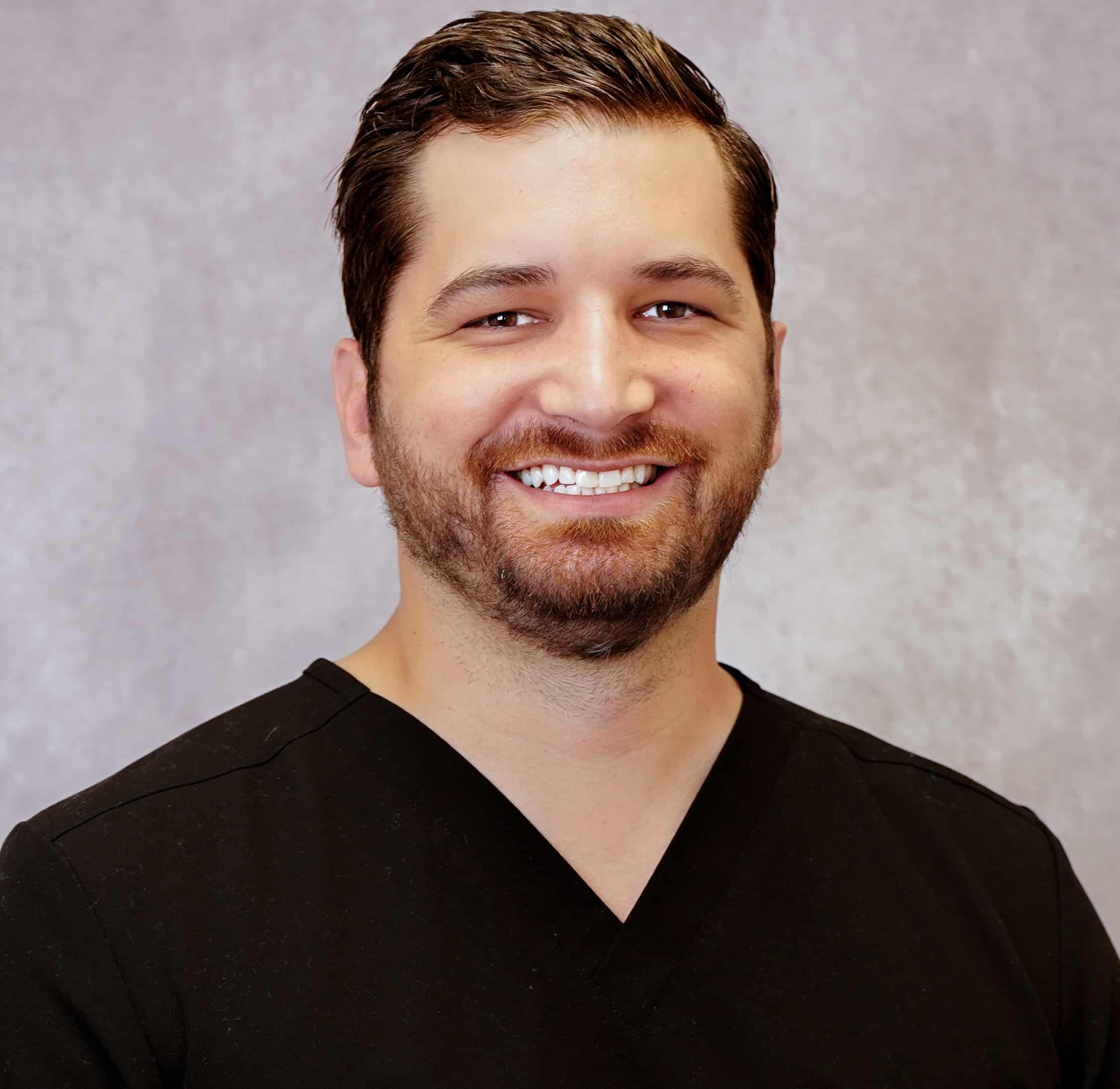
Chase Joyce, DMD
Dr. Chase Joyce, a Winston-Salem native, is passionate about providing the best care to his patients. After earning his Doctor of Dental Medicine from LECOM School of Dental Medicine in 2017, Dr. Joyce returned home and now lives in Kernersville with his wife, Laura, and their young child. Outside of the office, he enjoys camping, fishing, hiking, and spending time with his family. Dr. Joyce understands that many patients feel uneasy about dental visits, and he works hard to create a comfortable, relaxed environment. Always committed to learning, he stays up to date with the latest in dentistry to offer the best care possible.
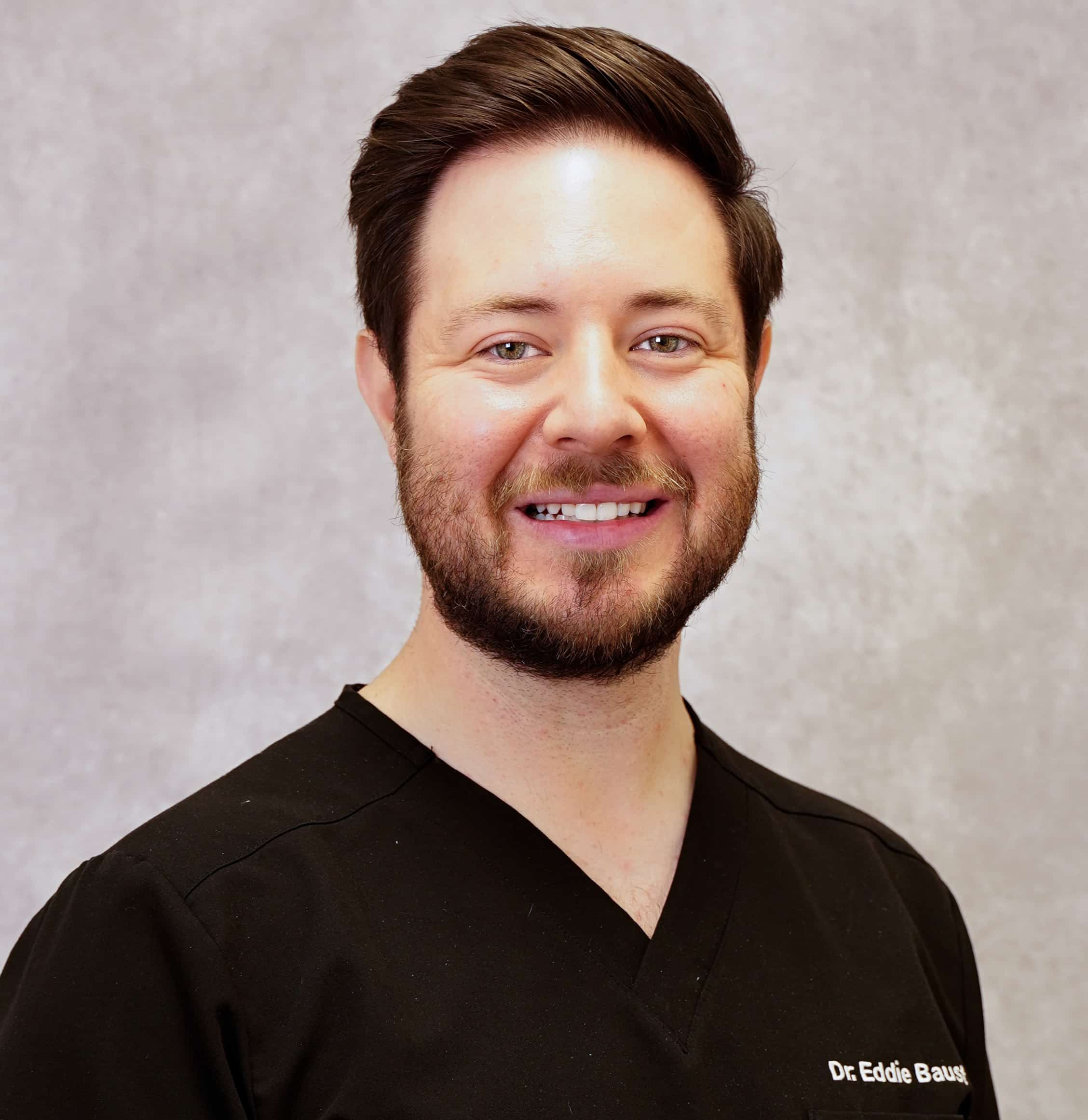
Edward Baust, DMD
Dr. Edward Baust, originally from Georgia, graduated from LECOM School of Dental Medicine in 2017. After completing an implant training course with Dr. Joyce, he and his wife, Dr. Krysten Sherrod, moved to Winston-Salem to open Twin Oaks Dentistry. Dr. Baust is dedicated to making every patient feel welcome and ensuring they have a positive dental experience. Outside of the office, he enjoys traveling, exploring nature, flying, and cheering for the Georgia Bulldogs. A music lover and avid golfer, Dr. Baust is always eager to make meaningful connections with his patients.